
Plants are considered a critical resource because of the many ways they support life on Earth. They are what is known as primary producers of the oceanthe organisms that form the base of the food chain.
What Are Phytoplankton

Bloom Floating Phytoplankton Farm Absorbs Carbon Dioxide And Monitors Rising Sea Levels
Blue Carbon Woods Hole Oceanographic Institution
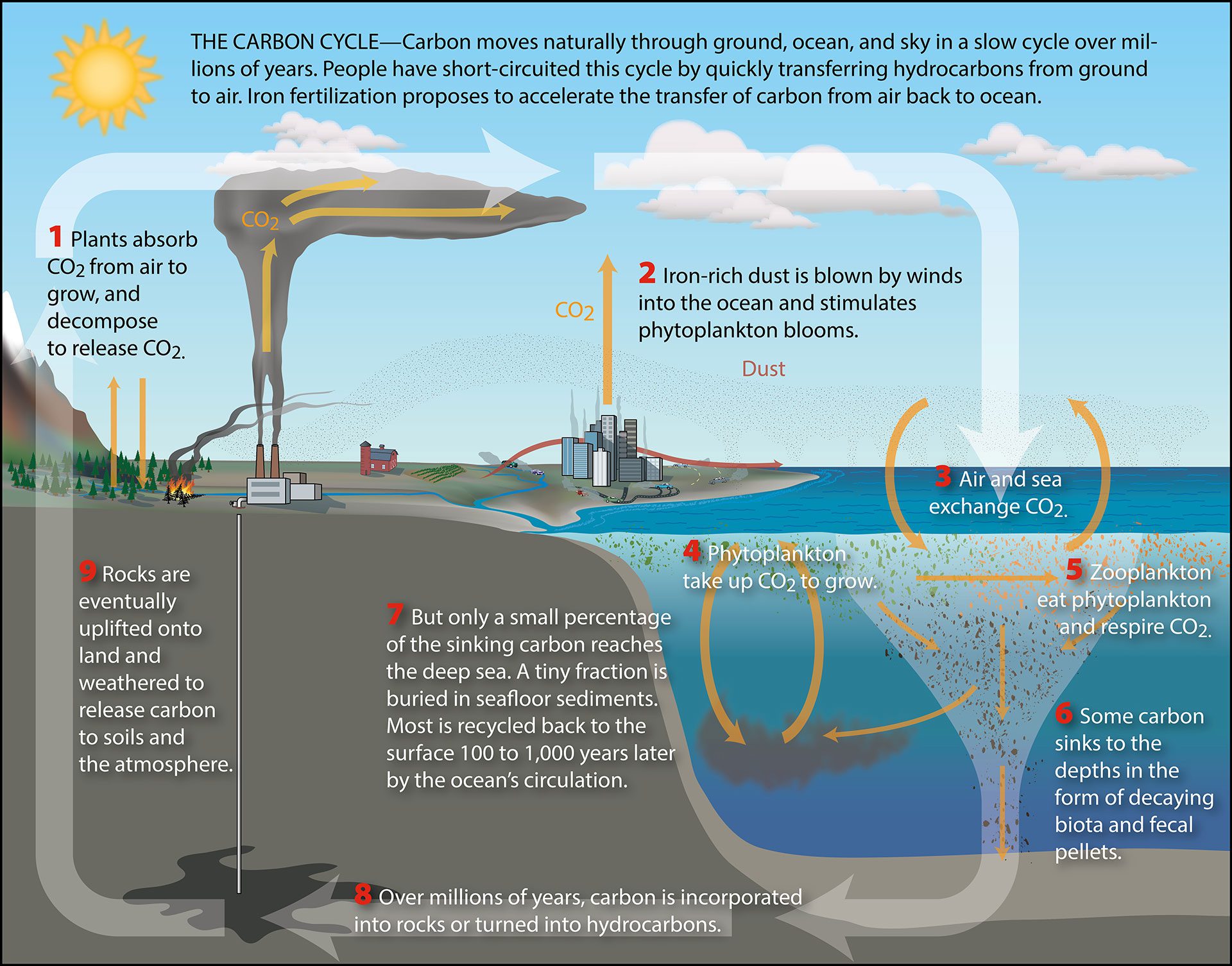
Over the past 100 years humans have been upsetting the carbon cycle by adding ever-increasing amounts of carbon into the atmosphere in the form of carbon dioxide or CO 2.
Phytoplankton have release oxygen and absorb carbon dioxide in ocean. For eons the worlds oceans have been sucking carbon dioxide out of the atmosphere and releasing it again in a steady inhale and exhale. Iron is a central component of haemoglobin. Dead zones are low-oxygen or hypoxic areas in the worlds oceans and lakesBecause most organisms need oxygen to live few organisms can survive in hypoxic conditions.
The last idea involves creating 45 million little oases in deserts to host phytoplankton that would absorb CO2. Ii Benthos are ocean creatures which live only at the bottom of margins of continents where sunlight reaches Sea floor eg. Microscopic aquatic plants called phytoplankton are another way that ocean ecosystems absorb carbon dioxide emissions.
I Nektons are all forms of fish. Species interact in the same basic ways in all biomes. Carbon dioxide is also transferred through the air-sea interface.
And since we only have 4098PPM in our atmosphere technically the Earth is in a Carbon. Like land plants phytoplankton have chlorophyll to capture sunlight and they use photosynthesis to turn it into chemical energy. It then combines the hydrogen with carbon dioxide from the air and minerals from the soil to make glucose a sugar and other more complex organic molecules.
For example all biomes have some species that prey on others for food. This process uses the energy of sunlight to split water molecules into hydrogen and oxygen. Lobsters jelly fish crabs etc.
Oxygen storage also requires iron. Plants algae cyanobacteria and phytoplankton all split water molecules as part of photosynthesis -- the process that converts sunlight carbon dioxide and water into sugars for food. They consume carbon dioxide and release oxygen.
One way we release carbon into the atmosphere is by burning fossil fuels for energy to light our houses drive our cars and even play our stereos. Than 13 million todayit could add significantly to the amount of phytoplankton in the oceans and to the carbon they capture. Globally the two most important carbon sinks are vegetation and the ocean.
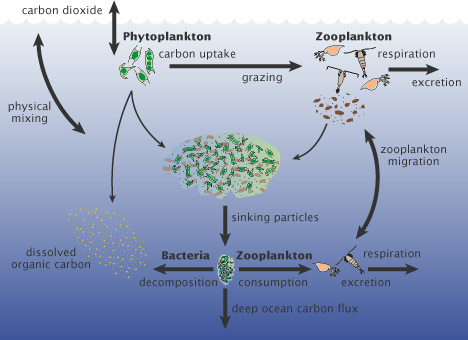
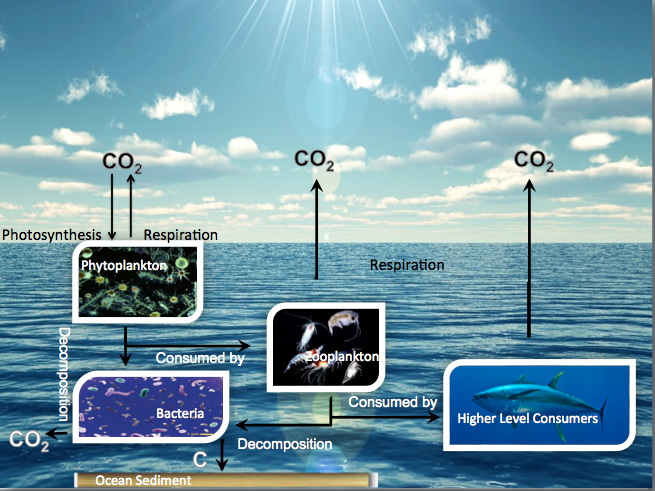
Microscopic organisms in the ocean called phytoplankton absorb carbon dioxide and release oxygen. Through photosynthesis microscopic plants phytoplankton assimilate carbon dioxide and nutrients eg nitrate phosphate and silicate into organic carbon carbohydrates and protein and release oxygen. They are at the base of the oceans food chain eaten by tiny animals called zooplankton that are then consumed by larger species.
While phytoplankton can pull carbon dioxide from the atmosphere or the ocean it will have a similar effect. Burning trees release even more carbon into the atmosphere. It than transports CO 2 back to the lungs where it can be breathed out.
Ocean acidification can also affect processes related to photosynthetic activity including increased rates of phytoplankton growth primary production and release of extracellular organic matter as well as shifts in cellular carbon to nitrogen to phosphorus CNP ratios eg Riebesell et al 2007. The seas are rising. Climate change refers to significant changes in global temperature precipitation wind patterns and other measures of climate that occur over several decades or longer.
A Phytoplankton are ocean plants eg. Phytoplankton consume a similar amount of carbon dioxide as all land plants combined 11. As carbon oxygen phosphorus nitrogen and hydrogen are constantly recycled.
There a fraction of the CO 2 combines with water forming carbonic acid H 2 CO 3 that subsequently loses hydrogen ions H to form bicarbonate HCO 3. The global ocean phytoplankton absorb about four times as much carbon dioxide as the. Iron is a part of several essential enzymes and is involved in DNA.
The Impact of Whaling on. They release oxygen into the atmosphere absorb carbon dioxide provide habitat and food. It binds oxygen and transports it from lungs to other body parts.
Hutchins et al 2009. That is why these areas are called dead zones. In this process they take carbon dioxide CO2 from the atmosphere by absorbing it into their cells with water to form sugar CH2O and oxygen.
The foods we eat and take for granted are threatened. No carbon no oxygen. A carbon sink is any reservoir natural or otherwise that accumulates and stores some carbon-containing chemical compound for an indefinite period and thereby lowers the concentration of carbon dioxide CO 2 from the atmosphere.
Bellerby et al 2007. Phytoplankton float with currents consuming carbon dioxide as they grow. It results in the removal of the carbon dioxide and just as importantly the release of the oxygen.
All phytoplankton photosynthesize but some get additional energy by consuming other organisms. Species also compete with one another for living spaces mates habitats and food resources. Carbon dioxide dissolves in water.
B Zooplankton are ocean animals eg. Public awareness of the significance of CO 2 sinks has grown since passage of the 1997. Ocean acidification is increasing.
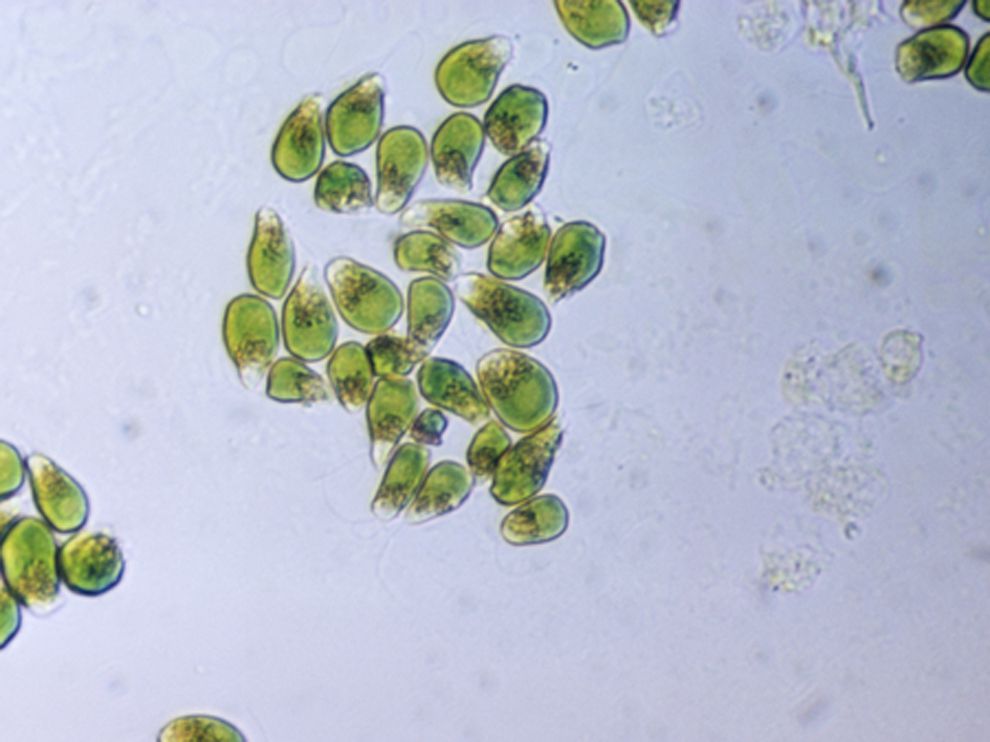
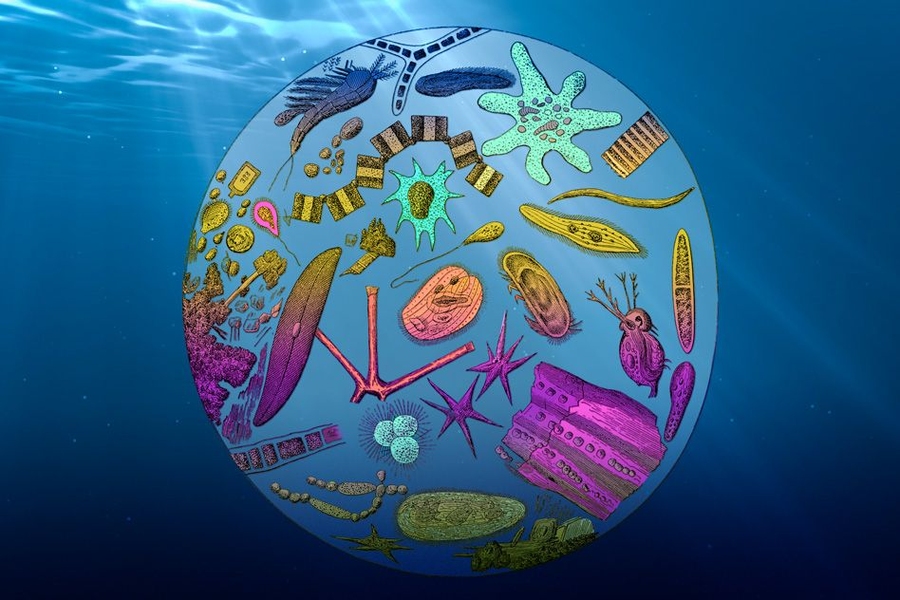
The body may particularly absorb the binary form of iron. Phytoplankton are mostly microscopic single-celled photosynthetic organisms that live suspended in water. Dead zones occur because of a process called eutrophication which happens when a body of water gets too many nutrients such as phosphorus and nitrogen.
Carbon dioxide chemical formula CO 2 is an acidic colorless gas with a density about 53 higher than that of dry air. Like land plants they take up carbon dioxide make carbohydrates using light energy and release oxygen. What sets Earth apart from other planets is its ability to sustain life.
Carbon is transported in various forms through the atmosphere the hydrosphere and geologic formations. Snails starfish and sea anemones. Plants and phytoplankton microscopic organisms in the ocean are the main components of the fast carbon cycle and convert carbon dioxide to biomass like leaves and stems through photosynthesis.
Carbon dioxide molecules consist of a carbon atom covalently double bonded to two oxygen atoms. It occurs naturally in Earths atmosphere as a trace gasThe current concentration is about 004 412 ppm by volume having risen from pre-industrial levels of 280 ppm. All biomes have populations of interacting species.
During photosynthesis trees and plants sequester or absorb carbon from the atmosphere in the form of CO2 and turn water and carbon dioxide into oxygen and sugar called glucose. Plants release oxygen as a. Ecosystems are changing and for some that could spell the end of certain regions the way we have known them.
Fu et al 2007. Trees take in carbon dioxide from the air and store it as carbon in forest biomass that is trunks branches roots and leaves in dead organic matter like litter and dead wood and in soils. Scientific research now indicates more clearly than ever that our carbon footprintthe release of carbon dioxide.
The ocean takes up carbon dioxide through photosynthesis by plant-like organisms phytoplankton as well as by simple chemistry. See also Chapter 3. As carbon fixation and oxygen production are part of the same process the extent of phytoplanktons participation is on the same scale.
Climate change affects ocean habitats by lowering oxygen decreasing phytoplankton. The oxygen that people breathe on Earth also comes from the splitting of water but its not a mechanical process. One of the primary pathways for the exchange of carbon dioxide CO 2 takes place between the atmosphere and the oceans.
Deep water of the ocean can store carbon dioxide for centuries. Scientists have known for centuries that gases in Earths atmosphere like carbon dioxide and methane act as a greenhouse.

How Whale Poo Can Alleviate Climate Change Eco Nnect
Save The Plankton Breathe Freely National Geographic Society

Changing Co2 Levels Require Microbial Coping Strategies
Rising Temperatures Are Curbing Ocean S Capacity To Store Carbon Mit News Massachusetts Institute Of Technology

Whales Are Worth More Than 1 Trillion For Their Contributions To Carbon Capture Ecotourism And The Fishing Industry According To The Imf World Economic Forum

Why Whales Are Important For Carbon Sequestration Foresight

Oceans Phytoplanktons Produce More Oxygen Than Trees And Plants
6a Down To The Deep The Ocean S Biological Pump


